

In today’s interconnected world, businesses are seeking seamless integration between various systems to optimize processes and drive efficiency. SAP ABAP (Advanced Business Application Programming) provides a robust development platform, and one of its powerful integration technologies is OData (Open Data Protocol) APIs. In this blog, we’ll explore the fundamentals of SAP ABAP OData APIs and understand how they enable smooth data exchange and interaction between SAP systems and external applications.
OData is an open web protocol that facilitates the creation and consumption of RESTful APIs. It is based on widely accepted web standards such as HTTP, XML, and JSON, making it easy to implement and interact with APIs. OData allows developers to expose and consume data as services, enabling seamless integration across different platforms and technologies.
Key Components of OData
- Data Provider: In SAP ABAP, the data provider is responsible for exposing the desired data as OData services. It retrieves data from SAP tables, views, or other data sources and maps it to the OData entity structure. The data provider plays a crucial role in defining the entities, their properties, and the relationships between them.
- Service Implementation: The service implementation acts as the core logic behind the OData service. It defines how the data provider retrieves, processes, and exposes the data. It includes the business logic for creating, updating, and deleting entities. The service implementation can also handle complex operations and queries involving multiple entities.
- Metadata: Metadata is an essential component of any OData service. It describes the structure and capabilities of the service, including the entities, properties, relationships, and operations exposed by the service. Metadata provides a standardized way for clients to discover and understand the available data and operations.
- OData Channel: The OData channel represents the communication layer between the client and the SAP system. It handles the requests and responses exchanged between the client application and the SAP system. The OData channel supports various formats, such as XML and JSON, to enable flexible data exchange based on client preferences.
Working with SAP ABAP OData APIs
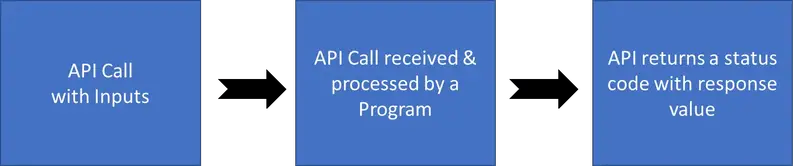
- Service Creation: To expose data as an OData service, developers define the data provider and service implementation. They map SAP tables and fields to OData entities and properties, considering the required CRUD operations (Create, Read, Update, Delete) and the relationships between entities. Additionally, developers define navigation properties to enable efficient querying of related data.
- Service Activation: Once the OData service is created, it needs to be activated and made available for consumption. SAP ABAP provides tools and transactions to activate the service and generate the necessary runtime artifacts. These artifacts include the runtime classes, which handle the processing of incoming requests and data manipulation.
- Service Consumption: After activation, the OData service can be consumed by external applications. Clients can use standard HTTP methods (GET, POST, PUT, DELETE) to perform CRUD operations on the entities exposed by the service. The OData channel handles the serialization and deserialization of data in XML or JSON format, making it easier for clients to work with the service.
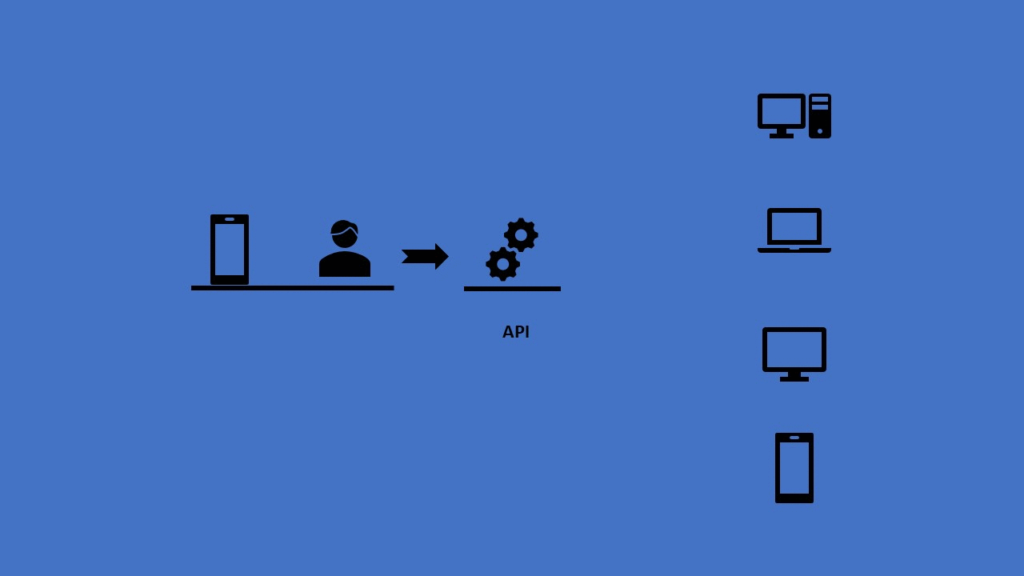
Advantages of SAP ABAP OData APIs
- Standardization: OData follows standard web protocols and formats, ensuring interoperability between systems. It provides a consistent way to expose and consume data across different platforms and technologies.
- Flexibility: OData supports both read and write operations, allowing clients to retrieve data as well as create, update, and delete records. It also provides powerful querying capabilities, enabling clients to filter, sort, and navigate through related data.
- Scalability: SAP ABAP OData APIs are designed to handle large volumes of data efficiently. The OData protocol allows for pagination and filtering options, enabling clients to retrieve data in chunks and reduce the load on the server. This scalability ensures optimal performance even when dealing with extensive datasets.
- Security: SAP ABAP OData APIs offer robust security features to protect sensitive data. Authentication and authorization mechanisms, such as user credentials and access control lists, can be implemented to ensure that only authorized users can access and modify the data. Additionally, SSL/TLS encryption can be employed to secure data transmission over the network.
- Integration: OData APIs facilitate seamless integration between SAP systems and external applications. Businesses can leverage OData to integrate their SAP backend with various front-end technologies, such as mobile applications, web portals, and third-party systems. This integration enables real-time data exchange and streamlines business processes.
- Versioning and Compatibility: OData supports versioning, allowing for the evolution of APIs without breaking existing client applications. Versioning ensures that clients can continue to function properly even when the API undergoes changes or enhancements. It promotes backward compatibility and smooth transitions during system upgrades or updates.
Conclusion
SAP ABAP OData APIs provide a powerful means of integrating SAP systems with external applications. They enable seamless data exchange, allowing clients to retrieve, create, update, and delete records in SAP backend systems. OData’s standardization, flexibility, scalability, security, integration capabilities, and versioning support make it an excellent choice for building robust and efficient APIs.
By leveraging SAP ABAP OData APIs, businesses can unlock the power of integration, streamline processes, improve productivity, and enhance the overall user experience. As organizations continue to embrace digital transformation, the ability to integrate SAP systems with a wide range of applications becomes crucial for staying competitive in the modern business landscape.
you may be interested in this blog here:-
Interested in these SAP Classes? Fill Your Details Here
Error: Contact form not found.




 WhatsApp us