

Hey there, future business experts!
If the word “MSP” has ever been used in the context of business technology, you’re undoubtedly wondering what it means and if Salesforce is regarded as one. Excellent query! You’re at the ideal place whether you’re new to Salesforce or want to learn about the subtleties of Managed Service Providers (MSPs). To help you grasp how Salesforce fits into the tech ecosystem and what MSPs actually do, let’s simplify and make things easy to understand.
What is a Managed Service Provider (MSP)?
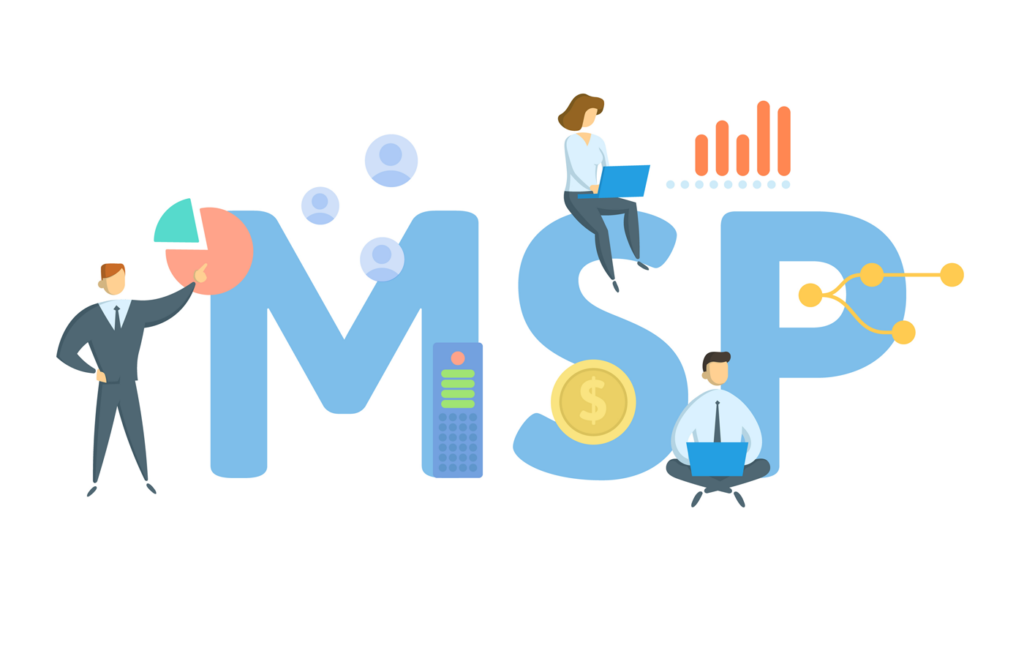
Before we dive into Salesforce, let’s clarify what an MSP is. Simply put, an MSP is a company that provides a range of IT services to help businesses manage their technology infrastructure. These services can include:
- Cloud management
- Data storage
- Network monitoring
- Security management
Businesses can outsource their IT requirements to MSPs, relieving them of the burden of managing intricate technical work in-house. Consider MSPs to be the IT management equivalent of superheroes, stepping in to offer assistance, avert problems, and guarantee seamless operation.
Is Salesforce an MSP?
The quick response? Salesforce does not qualify as a Managed Service Provider. However, that does not negate its importance in your tech stack. Salesforce is actually a top customer relationship management (CRM) platform that helps companies increase sales, streamline operations, and manage their connections with clients. Despite not being an MSP, Salesforce provides strong capabilities that work with MSPs’ offerings to help businesses manage their data, marketing, sales, and customer support more effectively.
How Salesforce and MSPs Work Together
While Salesforce isn’t an MSP, its tools and services complement the work MSPs do. Here’s how:
- Data management: Salesforce gives companies a structured approach to handling client information. MSPs frequently include Salesforce into their offerings to provide customers with business insight and more effective data management.
- Cloud Services: Because Salesforce runs on the cloud, companies may access their CRM information at any time and from any location. MSPs assist in managing and safeguarding such data on the cloud, increasing its security and accessibility.
- Automation: To make customer support, marketing, and sales procedures more efficient, Salesforce provides automation options. MSPs can further improve customer productivity and efficiency by including these aspects into their service offerings.
- Security and Monitoring: Many MSPs leverage Salesforce’s security features to protect sensitive customer data. They guarantee the security of your Salesforce account and data while adhering to industry standards.
So, while Salesforce isn’t technically an MSP, the relationship between Salesforce and MSPs is crucial for businesses looking to streamline their IT operations while optimizing customer relationship management.
The Role of Salesforce in Modern Business
Let’s take a moment to see how Salesforce is transforming businesses:
- CRM: Salesforce is well known throughout the world for its CRM features. By keeping track of customer interactions, it helps organizations increase customer loyalty and happiness. Growth and higher sales follow from this.
- Sales Automation: Using a single platform, Salesforce enables sales teams to manage pipelines, follow prospects, automate time-consuming procedures, and close deals more quickly.
- Marketing Tools: By integrating with marketing tools like analytics, social media tracking, and email campaigns, Salesforce helps companies forge closer bonds with their clientele.
- Customer Service Excellence: By using Salesforce’s Service Cloud, businesses can provide better support through personalized, efficient customer service.
Key Market Trends to Watch in 2025
As we head into 2025, there are a few trends that are reshaping both the MSP and Salesforce landscapes:
- Cloud Adoption: As more companies migrate to the cloud, there is a great need for MSPs to assist with these conversions. Salesforce is a perfect fit for businesses adopting cloud technology because it is entirely cloud-based.
- AI Integration: To automate processes, analyze data, and offer more intelligent insights, Salesforce is utilizing artificial intelligence (AI) through Einstein AI. In order to provide more individualized, data-driven solutions, MSPs are also integrating AI into their offerings.
- Cybersecurity Focus: MSPs and Salesforce are increasing their security efforts in response to the growing frequency of data breaches. Businesses are searching for methods to safeguard their private information, and MSPs’ experience and Salesforce’s security features assist reduce the risks.
- Integration with Other Tools: Integration is key to the future. Together, MSPs and Salesforce are integrating with other third-party applications to give companies a comprehensive, personalized solution for everything from project management to accounting.
Practical Tips for Getting Started with Salesforce and MSPs
- Recognize Your Needs: Recognize if you require an MSP, a CRM, or both. While MSPs may take care of your cloud management, security, and IT infrastructure, Salesforce can assist you in managing your client connections.
- Utilize Salesforce’s Ecosystem: Salesforce boasts an extensive network of integrations, partners, and apps. Look through the Salesforce AppExchange to locate tools that fit your company’s requirements.
- Become Certified: If you want to advance your Salesforce expertise, think about being certified. Salesforce provides certifications that will improve your professional opportunities and help you become an expert on its platform.
- Choose the Correct MSP: Verify that the MSP you are working with has Salesforce integration experience. A competent MSP can guarantee the seamless and secure operation of your Salesforce system.
Conclusion: Take the First Step Toward Mastering Salesforce and MSPs
After learning more about what Salesforce is and isn’t, it’s time to investigate how you might use this potent CRM platform to propel your company forward. Salesforce collaborates with MSP services to offer an integrated approach to managing your data, technology, and customer connections, even though it is not an MSP itself.
you may be interested in this blog
A Guide to 50+ Salesforce Einstein AI Tools
Demystifying Loops in Salesforce Apex
SAP for Small and Medium-sized Enterprises
Error: Contact form not found.


 WhatsApp us