


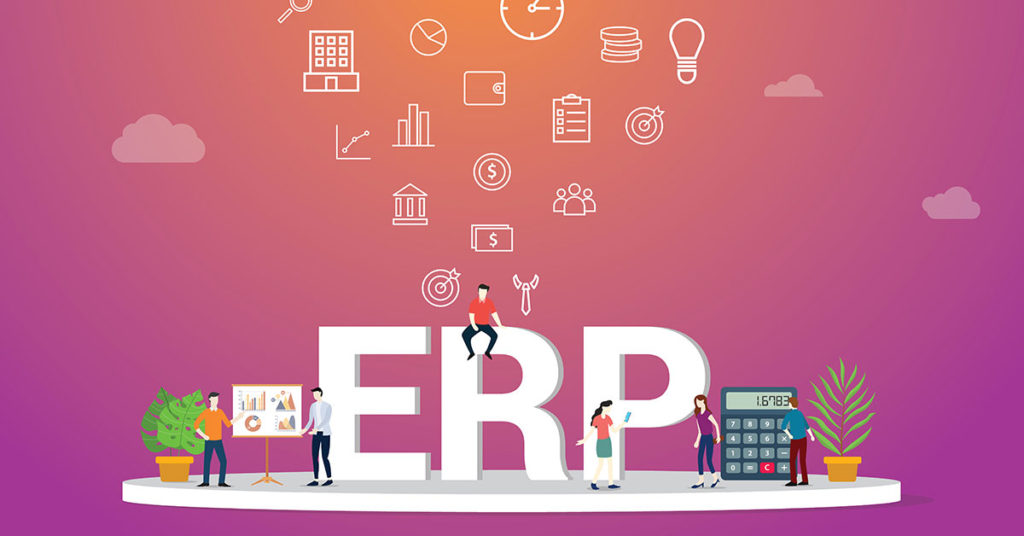
Venture Asset Arranging (ERP) is a sort of programming framework that coordinates all features of an organization’s tasks into a solitary, concentrated information base. This information base can be gotten to by all offices inside the association, giving ongoing perceivability and command over business processes.
Why is ERP Important?
ERP is a fundamental instrument for organizations of all sizes since it smoothes out complex business cycles and increments proficiency, eventually prompting expanded benefit. By executing an ERP framework, organizations can further develop correspondence and coordinated effort between divisions, decrease manual information passage blunders, and improve dynamic capacities.
Key Benefits of ERP:
- Simpler IT: ERP eliminates the need for multiple software systems, which can lead to simplified IT management and reduced costs.
- Improved Agility: ERP helps businesses adapt to changing market conditions by providing real-time visibility into business processes, allowing companies to quickly adjust their operations.
- Deeper Insights: ERP provides comprehensive data analytics and reporting capabilities, which allow businesses to gain valuable insights into their operations and make data-driven decisions.
- Higher Productivity: By automating routine tasks, ERP frees up employees to focus on more strategic activities, increasing overall productivity.
- Accelerated Reporting: ERP enables businesses to generate accurate, real-time reports, reducing the time and effort required to prepare reports manually.
- Lower Risk: ERP provides enhanced data security, reducing the risk of data breaches and other security threats.
ERP Examples in Different Industries:
ERP is used across a wide range of industries, including manufacturing, retail, healthcare, finance, and more. Here are a few examples of how ERP is used in different industries:
- Manufacturing: ERP can help manufacturers manage inventory, track production, and optimize supply chain operations.
- Retail: ERP can assist retailers in managing inventory levels, optimizing pricing strategies, and improving customer engagement.
- Healthcare: ERP can help healthcare organizations manage patient data, track medical supplies, and optimize staff scheduling.
- Finance: ERP can assist financial institutions in managing transactions, reducing fraud, and streamlining compliance processes.
How Do ERP Systems Work?
ERP systems work by integrating data and processes from all areas of a business into a single, centralized database. This allows for real-time visibility and control over all aspects of the organization.
Common ERP Modules:
ERP systems typically include several modules that are specific to different business functions, such as finance, human resources, and inventory management. Some of the most common ERP modules include:
- Finance and Accounting: This module includes financial management and accounting functions, such as accounts payable, accounts receivable, and general ledger.
- Human Resources: This module includes employee management functions, such as payroll, benefits administration, and performance management.
- Inventory Management: This module includes inventory control, order management, and supply chain optimization functions.
Types of ERP Deployment:
There are several ways to deploy an ERP system, including on-premise, cloud-based, and hybrid solutions. Each deployment type has its own benefits and drawbacks, depending on the needs of the business.
ERP Integration:
ERP integration involves connecting an ERP system with other software systems and applications used by a business. This enables seamless data sharing and communication between systems, improving overall efficiency.
The Total Cost of ERP:
The total cost of ERP includes implementation costs, licensing fees, maintenance and support costs, and other ongoing expenses. The cost of an ERP system can vary widely depending on the size and complexity of the organization.
ERP History: The Rapid Evolution of ERP:
ERP has evolved significantly since its inception in the 1960s. Originally developed for manufacturing companies, ERP systems have expanded to include a wide range of business functions and industries. In the 1990s, ERP systems began to incorporate client-server technology and graphical user interfaces, making them more user-friendly. In the 2000s, ERP systems started to include business intelligence and analytics capabilities, providing businesses with deeper insights into their operations. Today, ERP systems are increasingly cloud-based, providing businesses with greater flexibility and scalability.
The Future of ERP:
The eventual fate of ERP is centered around coordinating arising innovations, for example, computerized reasoning, AI, and blockchain. These innovations can possibly mechanize routine undertakings, further develop dynamic capacities, and improve by and large proficiency. Furthermore, ERP frameworks are turning out to be more available to little and medium-sized organizations, giving these associations similar devices and abilities as bigger endeavors.
ERP at Any Size: What are My Options?
ERP arrangements are accessible for organizations, all things considered, from little new companies to huge endeavors. Private companies might pick cloud-based ERP arrangements, which give the essential usefulness without requiring huge interest in IT foundation. Bigger organizations might pick on-premise ERP arrangements, which give more noteworthy control and customization choices. Mixture arrangements that join on-reason and cloud-based ERP frameworks are additionally turning out to be progressively well known.
In conclusion, ERP is a critical tool for businesses of all sizes and industries. By streamlining business processes, providing real-time visibility and control, and enhancing decision-making capabilities, ERP systems help businesses increase efficiency, reduce costs, and improve profitability. As technology continues to evolve, the future of ERP is focused on integrating emerging technologies and providing greater accessibility to businesses of all sizes.
We at eLearning Solutions provide SAP courses online and offline.Let us know if you want to make a career in this awesome industry.For SAP & Oracle Consulting services you can click here.
Interested in these SAP Classes? Fill Your Details Here
Error: Contact form not found.


 WhatsApp us