
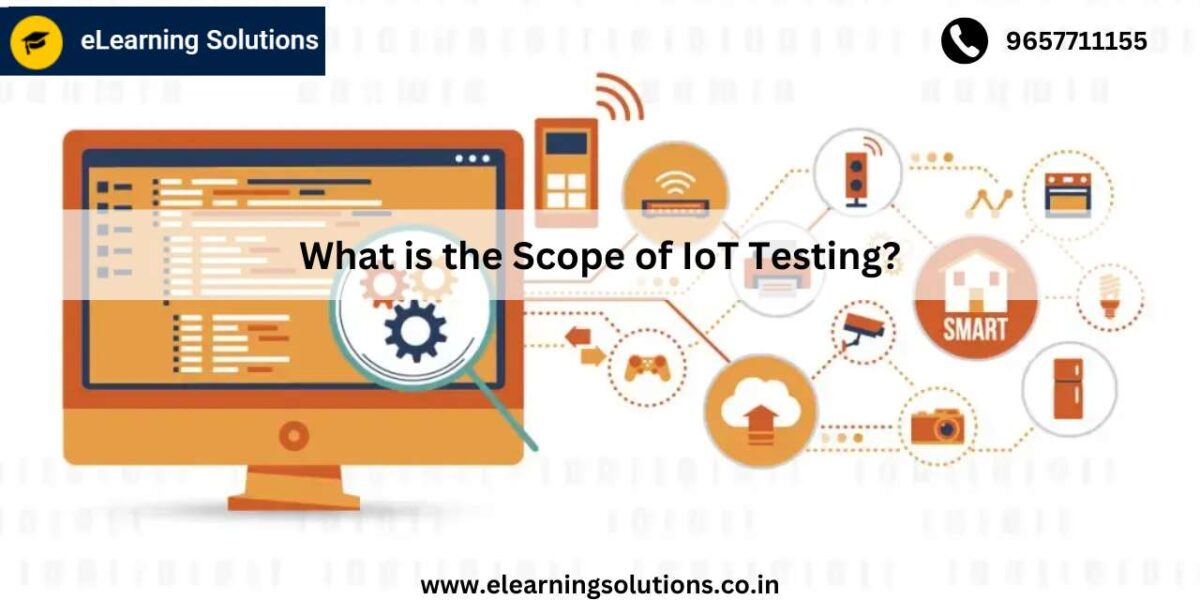
The way we work, live, and engage with technology is being revolutionized by the Internet of Things (IoT). IoT has permeated practically every element of our daily lives, from wearable technology to smart homes and connected automobiles. IoT testing is a crucial procedure that makes sure everything functions as it should, even with flawless connectivity and automation.
You’re in the ideal place if you’re new to the Internet of Things or want to know how this technology is tested. This blog post will outline the extent of IoT testing, discuss its importance, and look at some of the major trends influencing the market in 2025.
What is IoT Testing?
Let’s first define IoT testing before delving deeply into its reach.
The process of verifying and making sure that the networks, sensors, devices, and apps in an IoT ecosystem operate as intended is known as IoT testing. It entails evaluating linked devices’ usability, security, performance, and integration to make sure they function as a unit in practical situations. IoT testing basically assists in finding defects, defects, or security problems that might impair the user experience or interfere with the operation of IoT systems.
Specialized testing is becoming more and more necessary as the Internet of Things grows because even a small defect in these networked systems can cause serious problems, such malfunctioning gadgets or data breaches.
Why is IoT Testing Important?
With millions of connected devices expected to be in use worldwide by 2025, the role of IoT testing is more important than ever. Here’s why:
1. Security Concerns
IoT devices often collect sensitive data, such as personal information or health metrics. Testing helps ensure that these devices are secure, protecting users from data breaches, cyber-attacks, and privacy violations.
2. Performance Assurance
IoT systems involve complex interdependencies between devices, networks, and software. Testing ensures that these systems perform reliably under different conditions, such as high traffic or fluctuating network speeds.
3. User Experience
The success of IoT devices often depends on their ease of use. Through testing, developers can ensure that devices are intuitive and user-friendly, providing a positive experience for customers.
4. Integration Testing
In an IoT ecosystem, multiple devices must work together seamlessly. Testing ensures that different devices and applications can communicate and share data without issues, which is crucial for ensuring the functionality of the entire system.
What Does the Scope of IoT Testing Cover?
IoT testing is comprehensive and covers various aspects of both hardware and software. Here’s a look at the main areas involved in IoT testing:
1. Device Testing
At the heart of IoT is the device itself. Whether it’s a smart thermostat, a fitness tracker, or an industrial sensor, testing the device’s functionality is crucial. Device testing involves checking aspects like:
- Hardware functionality: Ensuring the device operates as intended in terms of performance, responsiveness, and battery life.
- Device compatibility: Verifying that the device works across different operating systems, platforms, and environments.
- Sensor testing: Testing the accuracy of sensors that collect data from the environment (e.g., temperature, humidity, motion).
2. Connectivity Testing
Since IoT devices rely on wireless communication (such as Wi-Fi, Bluetooth, or 5G), connectivity testing is a key aspect. This involves:
- Network compatibility: Ensuring devices can connect seamlessly to different networks and platforms.
- Signal strength and range: Testing the ability of the device to maintain a stable connection in different environments.
- Bandwidth testing: Ensuring that the device can handle data transmission efficiently, even in bandwidth-constrained environments.
3. Software and Application Testing
The software running on IoT devices—whether it’s a mobile app or embedded firmware—needs thorough testing. Key areas include:
- Functional testing: Verifying that the software behaves as expected and delivers the intended features.
- User interface (UI) and user experience (UX) testing: Ensuring the software is easy to use and provides an intuitive experience for the user.
- Security testing: Ensuring that the software is protected against hacking, data breaches, and other vulnerabilities.
4. Cloud and Server Testing

IoT devices often communicate with cloud platforms and servers to store and process data. Testing these elements is just as important as testing the devices themselves. It involves:
- Data synchronization: Ensuring data sent from IoT devices is accurately stored and synchronized in the cloud or server.
- Server performance: Testing the performance and scalability of cloud-based systems that manage data from millions of devices.
- API testing: Ensuring APIs used to connect devices to the cloud are functioning properly and securely.
5. Security Testing
Given the vast amount of sensitive data IoT devices handle, security testing is a critical part of the process. It includes:
- Penetration testing: Simulating cyber-attacks to identify vulnerabilities and weaknesses in IoT systems.
- Encryption testing: Ensuring data transmitted between devices and servers is securely encrypted.
- Authentication and authorization testing: Verifying that only authorized users or devices can access certain data or functions.
Key Market Trends in IoT Testing (2025)
As IoT continues to grow, so does the demand for specialized testing. Here are some key market trends to keep an eye on in 2025:
1. Growth of 5G Networks
IoT testing will be transformed by the introduction of 5G networks, which will allow for quicker and more dependable connections. This will open up new possibilities for testing low-latency, high-speed applications, particularly in sectors like smart cities, autonomous cars, and healthcare.
2. AI and Automation in IoT Testing
The demand for testing automation is being driven by the intricacy of IoT systems. Tools with AI capabilities are already being used to find trends, streamline testing procedures, and more quickly spot problems. AI and machine learning will be increasingly more important in the future for automating IoT testing, cutting down on human labor, and expediting the testing process.
3. Security and Privacy Focus
As cyber threats evolve, IoT testing will increasingly focus on security and privacy concerns. With more data being generated by IoT devices, ensuring that this data is protected will be a top priority for companies and testers alike.
4. Edge Computing
Edge computing—processing data closer to the source rather than in centralized cloud servers—will become more common in IoT. This shift will require new testing approaches, as devices will be required to handle more data processing and decision-making on their own.
How to Get Started with IoT Testing
Now that you understand the scope of IoT testing and the trends shaping the market, here are some tips to help you get started:
- Learn the Basics of IoT: Familiarize yourself with IoT concepts like connectivity, sensors, and cloud platforms. Understanding the devices and systems you’ll be testing is crucial.
- Gain Experience with IoT Tools: Get hands-on with IoT testing tools and platforms. Explore tools for device testing, performance testing, and security testing to build your skillset.
- Focus on Automation: Given the complexity of IoT systems, automation is key. Learn how to use automated testing tools to improve efficiency and accuracy.
- Stay Updated on Trends: IoT is an ever-evolving field. Stay informed about new developments, such as 5G, AI, and edge computing, to stay ahead of the curve.
Conclusion: Embrace the Future of IoT Testing
IoT testing is a dynamic and quickly expanding field that is essential to guaranteeing the performance, security, and functionality of the networked devices that will shape our future. The demand for qualified IoT testers will only rise as the IoT sector continues to grow. Therefore, now is the ideal moment to get started, regardless of your level of experience with IoT testing or your desire to improve your team’s testing methods as an employee of the organization.
YOU MAY BE INTERESTED IN
The Art of Software Testing: Beyond the Basics
Automation testing course in Pune
Automation testing in selenium
Error: Contact form not found.




 WhatsApp us