

Creating a dependable and interesting online experience is more crucial than ever in the fast-paced digital world of today. Progressive Web Apps (PWAs) are revolutionary for anyone interested in learning more about contemporary web technologies, whether they are a firm employee or an aspiring developer. However, what language is required to begin creating PWAs? We’ll simplify it for newcomers, go over some important ideas, and point out the emerging trends in the PWA market in this blog. Let’s get started!
What is a Progressive Web App (PWA)?
Let’s first define a Progressive Web App before diving into the languages you must learn. PWAs are webpages that function similarly to native apps but are accessed through a web browser. This implies that customers don’t need to download them from an app store because they can function offline, load rapidly, provide push notifications, and even be installed on their devices.
Because PWAs offer a remarkable user experience at a reasonable cost and are reasonably easy to create, the idea is gaining traction in the current market. The good news? You don’t have to become an expert right away if you’re just starting out. We’ll go over the various contemporary web technologies that PWAs are based on presently, most of which you are already familiar with!
The Core Languages Behind PWAs
So, what languages do you need to learn to build your first Progressive Web App? Let’s break it down:
1. HTML (HyperText Markup Language)
At the foundation of every web app is HTML. HTML is used to structure the content and layout of your app. Think of it as the skeleton of the app – it defines what content will appear and where.
2. CSS (Cascading Style Sheets)
CSS is what you use to make your PWA look beautiful! It controls the design, layout, and feel of the app, from colors and fonts to animations and responsiveness. You can think of CSS as the “skin” of your PWA, giving it style and personality.
3. JavaScript
The secret component that gives your program its interactive capabilities is JavaScript. It regulates how elements on your page behave, including button clicks, form submissions, and even data fetching from an external server. The majority of your time will be spent learning JavaScript because without it, your PWA wouldn’t be dynamic or functional!
4. Service Workers (JavaScript)
Push notifications and offline functionality are made possible by service workers, a form of JavaScript that operates in the background of your application. One of the main characteristics that distinguishes PWAs from standard web apps is this. Understanding how service workers operate can help you make sure your app functions properly even in the absence of an internet connection.
5. Web App Manifests (JSON)
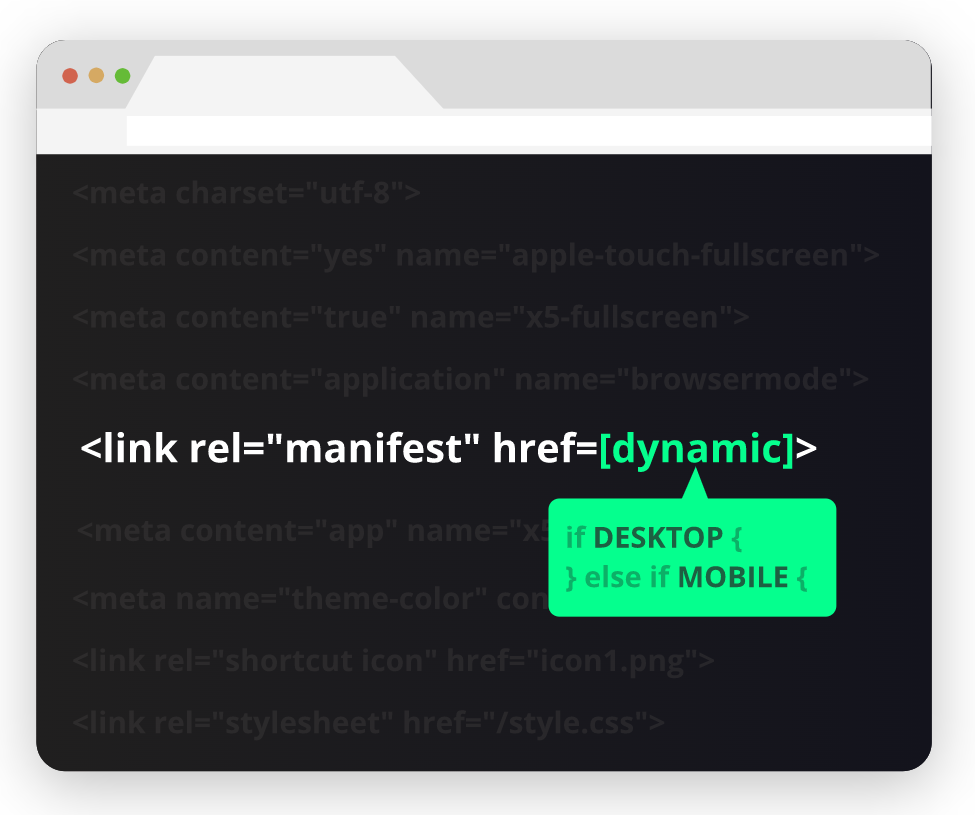
The web app manifest is a JSON (JavaScript Object Notation) file that gives your PWA its “native app” feel. It controls how the app appears when installed on a user’s device – like the icon, name, and launch screen. This file is simple to set up and an essential part of creating a seamless user experience.
Why PWAs Are Trending in 2025
The trend towards Progressive Web Apps is growing rapidly, and for good reason. Here’s why PWAs are becoming more popular:
- Cost-Effective: Unlike traditional apps, PWAs don’t need to be built separately for iOS and Android. This reduces development time and costs.
- Better User Experience: PWAs offer fast loading times, offline capabilities, and push notifications, ensuring that users are more engaged and satisfied with their experience.
- Higher Conversion Rates: Businesses have seen significant improvements in conversion rates when using PWAs due to their faster loading times and seamless experience.
- Increased Mobile Usage: As mobile usage continues to grow, PWAs provide an excellent way for companies to create an app-like experience without the hassle of building native apps.
Real-World Example: Starbucks PWA
Let’s take a real-world example: Starbucks. The coffee giant’s PWA allows users to browse the menu, customize their orders, and make purchases – all while offering offline capabilities and fast performance. It’s a perfect example of how PWAs can be used to enhance user experience and streamline business operations.
Practical Tips for Getting Started
Now that you know the core languages, here are a few practical tips for getting started with PWAs:
- Begin Small: Start by creating a basic PWA from an existing website. Put your attention on deploying service workers and offline functionality.
- Learn the Basics: Make sure you have a solid grasp of HTML, CSS, and JavaScript before delving into PWA-specific technology. These will be your core competencies.
- Investigate PWA Tools: To improve your PWA’s performance, accessibility, and SEO, make use of resources like Lighthouse, a Google tool for analyzing web apps.
- Keep Up with Industry Trends: Because PWAs are always changing, be abreast of the most recent advancements in web technologies. To continue learning, follow groups, blogs, and online courses.
Ready to Take Your Skills Further?
Building your first Progressive Web App may seem like a big challenge, but remember – every expert was once a beginner. By mastering the basic languages and staying current with industry trends, you’ll be well on your way to creating powerful, high-performance web apps.
Conclusion
In 2025, Progressive Web Apps represent an exciting frontier for web developers and companies looking to engage users in a more dynamic and efficient way. By learning the languages behind PWAs, such as HTML, CSS, JavaScript, and service workers, you’ll be equipped to create modern, high-performing applications that provide lasting value for your users.
Don’t wait any longer – take your first step toward mastering PWAs today, and unlock the potential of web development for your business or personal projects!
you may be interested in this blog here:-
Advanced OOP Concepts in SAP ABAP A Comprehensive Guide
Salesforce Developer Salary in India An In-Depth Analysis
SAP MM Consultant resume 3 years experience
What is Salesforce Sustainability Cloud?
Error: Contact form not found.




 WhatsApp us